
AI Energy Management for Greener Cold Chains
This article was also featured in an interview by Business Weekly Taiwan.
As carbon fees and electricity prices continue to rise, refrigeration and air-conditioning systems represent a major opportunity for industrial energy savings. In food logistics, pharmaceuticals, biotechnology, and high-tech manufacturing, these systems can account for 30% to 60% of a facility’s total electricity consumption.
Many businesses assume that installing high-efficiency equipment is enough to achieve meaningful energy savings. Effective energy management, however, also requires reliable operating data and coordinated decisions covering cold chain stability, electricity costs, carbon emissions, equipment condition, and service life.
In an interview with Business Weekly Taiwan, Green Value General Manager Yu-Feng Hsu discussed a common misconception about the refrigeration and air-conditioning industry.
“Many people associate refrigeration and air conditioning with repairing household refrigerators or air conditioners. In reality, the industry’s future lies in energy-efficient cold chain systems for high-tech cleanrooms, pharmaceuticals, biotechnology, healthcare, and ESG-driven industries.”
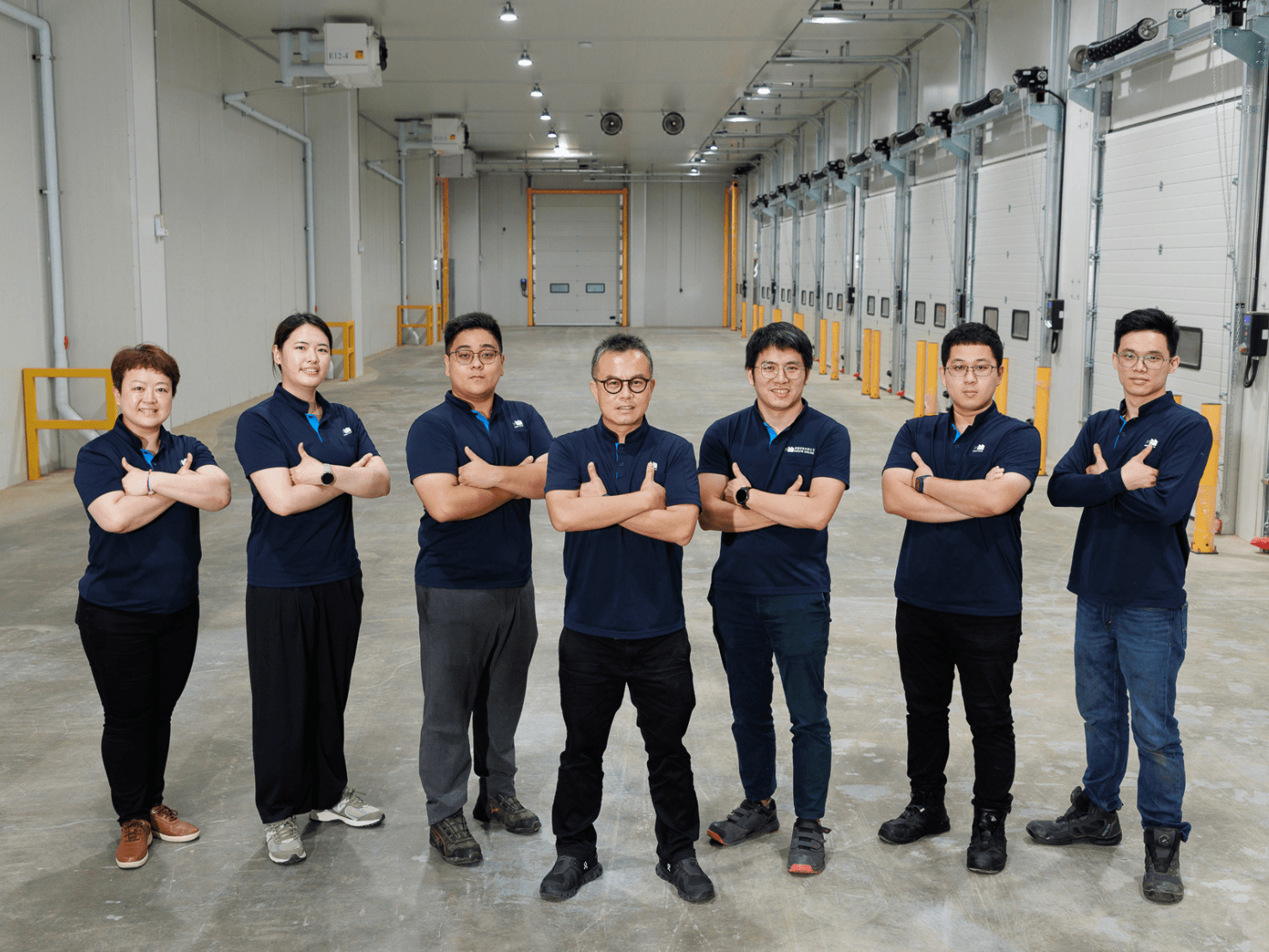
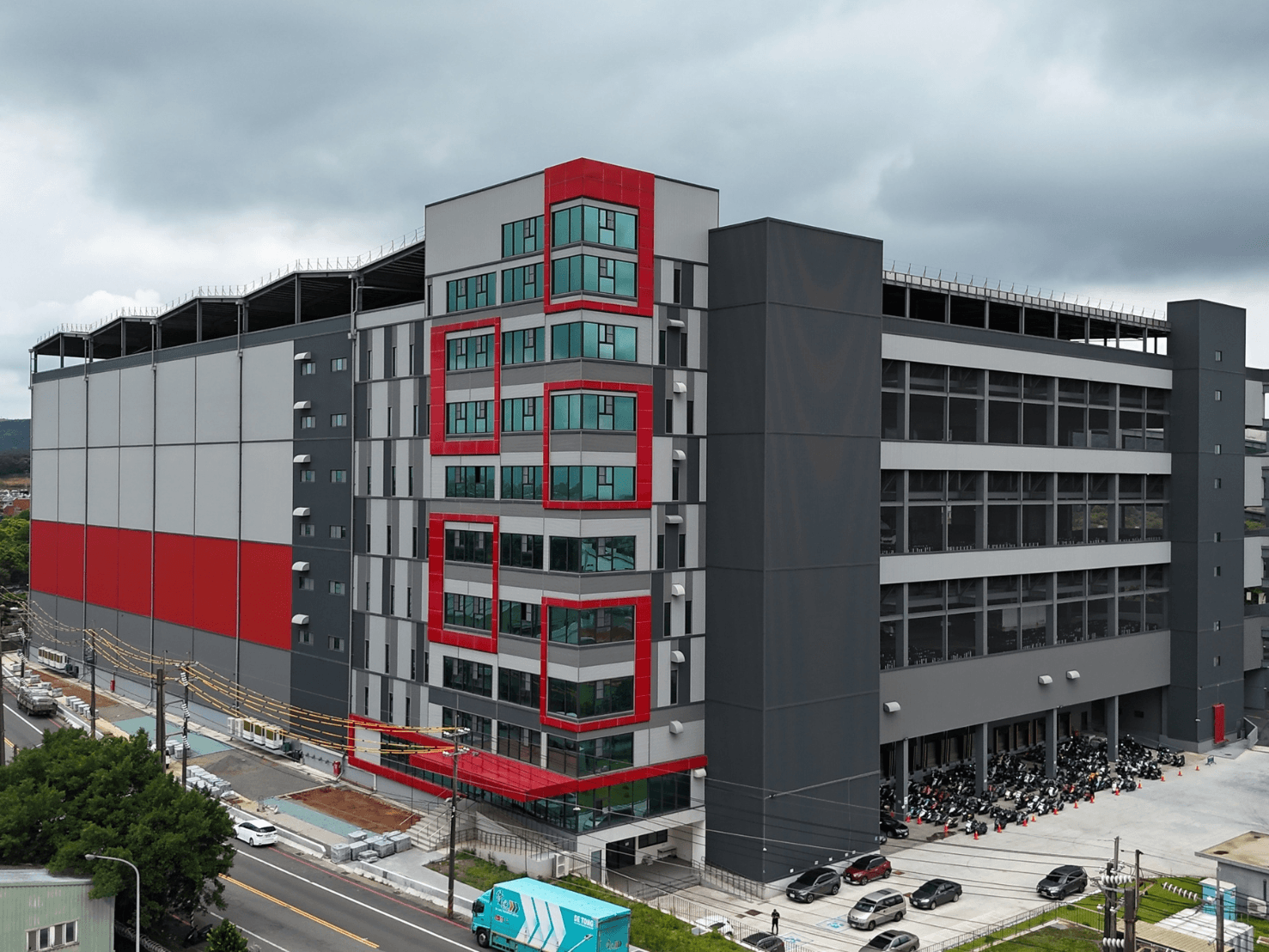
▲ Backed by a team of skilled professionals, Green Value applies innovative technologies to safeguard today’s temperature-controlled logistics supply chain.
Cold Chain Infrastructure for Over 40 Million Vaccine Doses
During the COVID-19 pandemic, one of Taiwan’s most urgent challenges was establishing stable, secure, and traceable low-temperature storage within an extremely limited timeframe.
Green Value completed a vaccine cold storage facility in three months, shortening a project schedule that would normally have required approximately six months. The company subsequently participated in the construction of several vaccine cold chain warehouses.
Over three years, these facilities supported the storage of more than 40 million vaccine doses.
A cold chain failure can result in the loss of an entire vaccine shipment. It can also disrupt delivery schedules, damage corporate credibility, and create serious operational and public health risks.
Only after the testing had been completed, the vaccines had entered storage, and Taiwan’s national flag had been raised at the facility did the project team fully recognize the significance of its work. The team was helping protect a critical supply chain and maintain the continuity of essential services.
Following the pandemic, demand for frozen food, pharmaceutical distribution, biotechnology logistics, and temperature-controlled delivery continued to grow. Large-scale cold chain logistics centers have since become an important form of infrastructure for e-commerce, fresh food, medicine, and biotechnology.
AI Defrosting Cuts Four-Hour Inspections to Two Minutes
Cold chain facilities face a fundamental operating challenge: they must maintain stable temperatures while controlling one of the facility’s largest energy loads.
A common example is scheduled freezer defrosting. In conventional systems, defrost cycles begin at fixed intervals, regardless of the actual amount of frost on the evaporator. Unnecessary defrosting consumes energy, increases compressor load, and can affect temperature stability inside the freezer.
Green Value addressed this problem by introducing AI image recognition for evaporator frost detection. Cameras monitor frost accumulation, while the AI system determines when the frost has reached the threshold for defrosting.
The technology originated from a practical workplace safety problem. Technicians previously had to inspect equipment installed approximately ten meters above the floor in freezer rooms operating below −20°C. Each inspection was time-consuming and exposed personnel to difficult, high-risk conditions.
The development team reduced a four-hour inspection process to approximately two minutes. The same technology was then extended to support demand-based defrost control.
By initiating defrosting only when required, the system can reduce unnecessary energy consumption, limit temperature fluctuations, and improve refrigeration system efficiency.
Recovering Cooling Energy from Defrost Cycles
Green Value also developed an energy recovery system that captures and reuses otherwise-unused cooling energy associated with the AI-controlled defrosting process.
At a 23,000-ping logistics center in Yangmei, the recovered cooling energy can support air conditioning for approximately 400 ping of office space. This has reduced annual office air-conditioning electricity costs by approximately 80%.
Under a conventional cold chain design, monthly electricity costs during the summer peak season would have approached NT$3 million. After implementing high-efficiency refrigeration and air-conditioning equipment, AI controls, energy management, and cooling energy recovery:
- Peak summer electricity costs were maintained below NT$2.5 million per month.
- Average monthly electricity costs outside the summer season fell below NT$1.8 million.
- Overall electricity savings reached approximately 20% to 40%.
- Annual electricity cost savings exceeded NT$10 million.
Actual savings depend on operating schedules, storage temperatures, cooling loads, electricity tariffs, system configuration, and the energy baseline used for comparison.
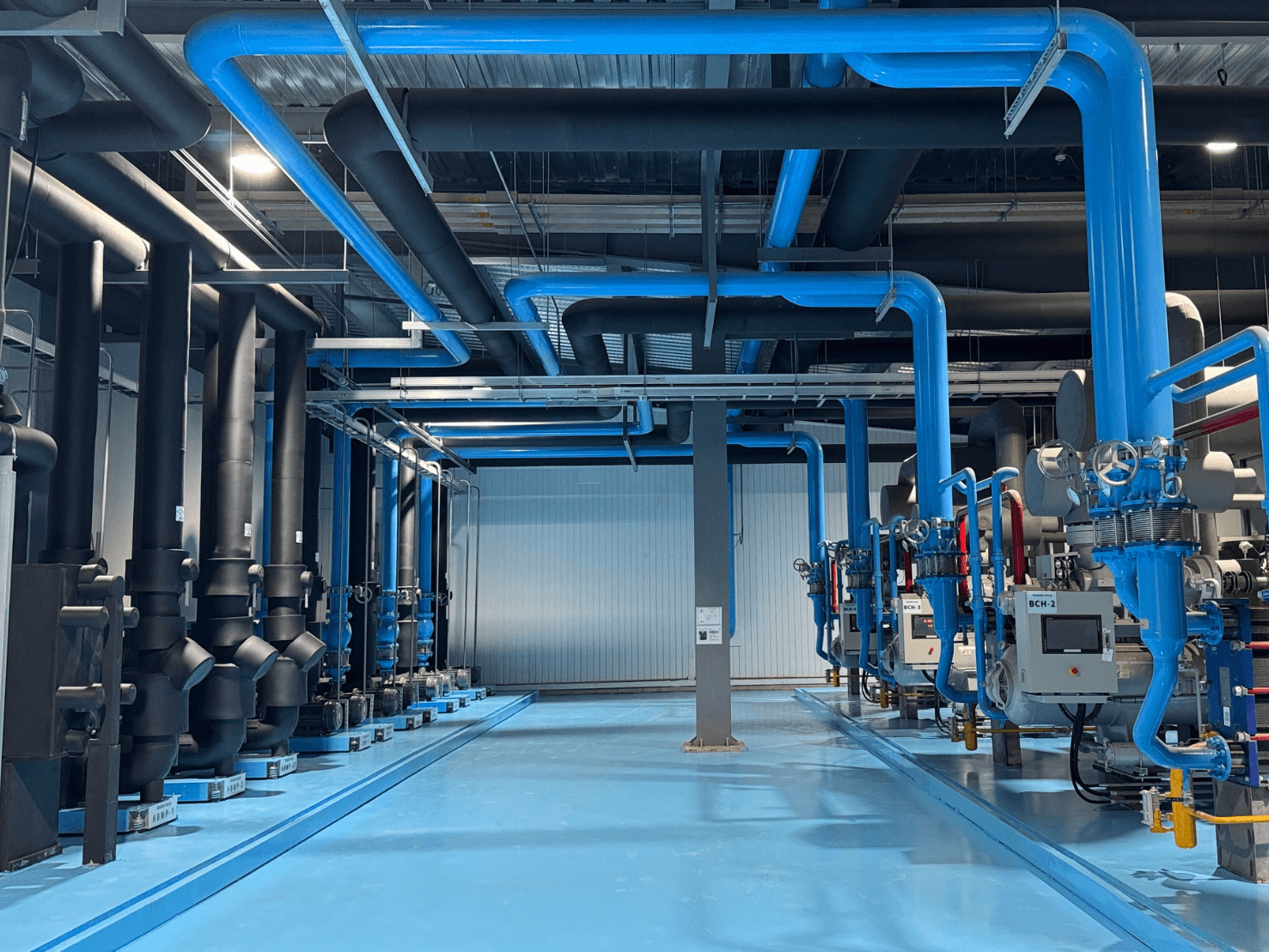
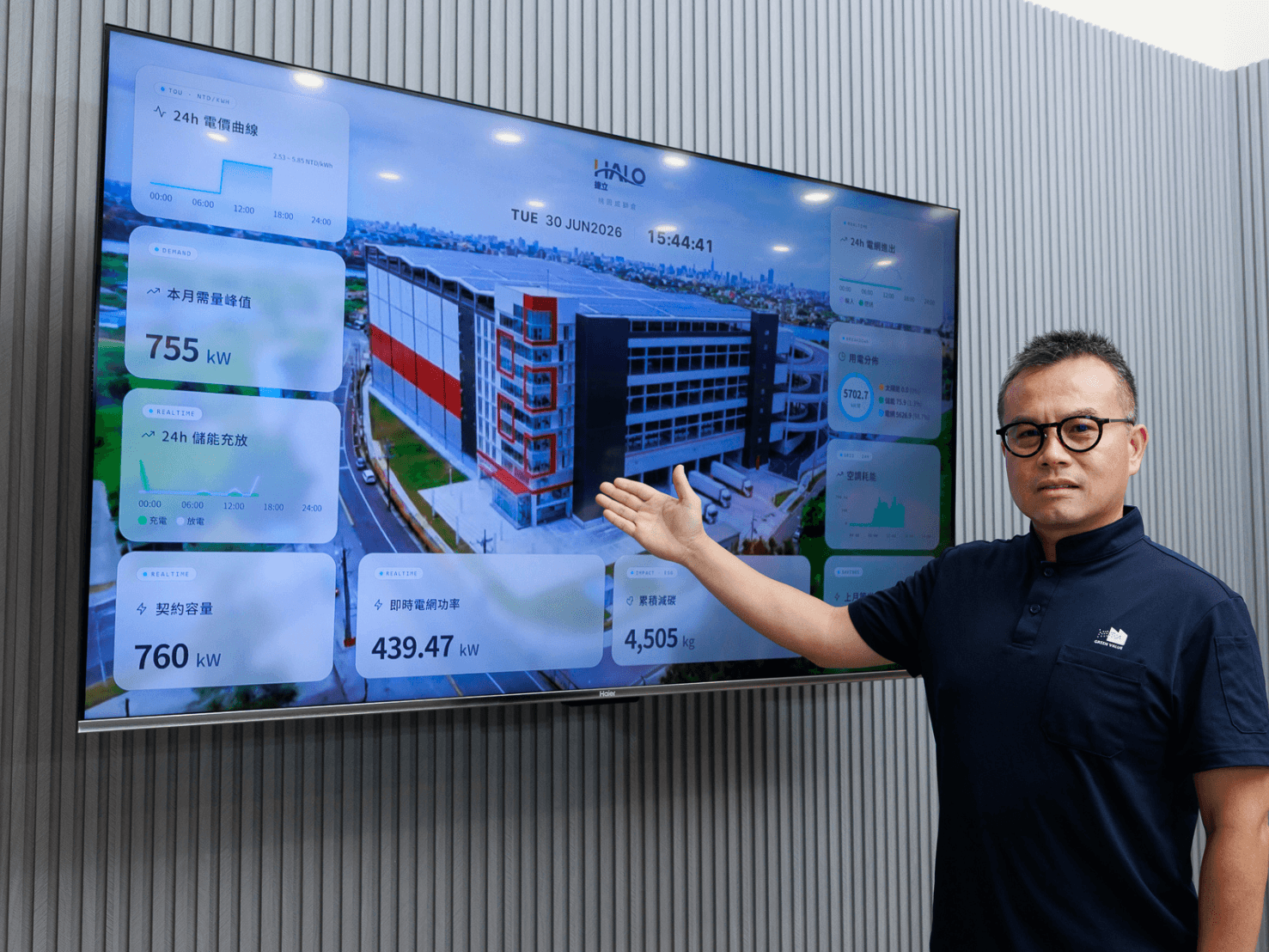
▲ From refrigeration plant equipment to real-time dashboards, Green Value integrates energy recovery and AI-powered monitoring to deliver measurable energy savings for businesses.
Energy Visualization for Low-Carbon Transformation
For business owners, energy efficiency must ultimately translate into measurable improvements in electricity costs, equipment life, return on investment, and carbon reporting.
Green Value begins by establishing an energy baseline and collecting continuous operating data from the refrigeration and air-conditioning systems. AI analytics are then used to evaluate equipment condition and model the potential benefits of different improvement plans.
Each proposed measure can be assessed according to:
- Expected energy savings
- Required investment
- Payback period
- Equipment reliability
- Carbon reduction potential
- Impact on cold chain temperature stability
This approach is especially relevant to logistics, food processing, pharmaceuticals, biotechnology, and high-tech manufacturing, where refrigeration and air-conditioning systems may account for 30% to 60% of total electricity consumption.
Reducing Peak Demand with Smart Load Management
High-efficiency equipment is only one part of an effective industrial energy management strategy. Businesses must also understand how electricity tariffs, peak demand, and operating schedules affect total energy costs.
Green Value helps facilities coordinate refrigeration loads with Taiwan’s time-of-use electricity pricing structure. For example, refrigeration equipment can be scheduled to take advantage of periods with high on-site solar generation. During off-peak nighttime hours, multiple chillers or refrigeration units can operate at optimized partial loads.
This operating strategy can help facilities:
- Reduce peak electricity demand
- Lower utility costs
- Improve refrigeration system efficiency
- Maintain stable cold storage temperatures
- Increase operational resilience
- Make better use of renewable energy
The optimal schedule must be based on actual cooling loads, product temperature requirements, equipment performance, solar generation, and the applicable electricity tariff.
Integrating AI, IoT, EMS, Solar Energy, and Energy Storage
Green Value’s smart energy management model integrates multiple technologies into a coordinated cold chain system:
- AI-based frost detection and predictive control
- Internet of Things sensors and equipment monitoring
- Energy management systems
- High-efficiency refrigeration and HVAC equipment
- Solar power
- Energy storage
- Cooling energy recovery
- Carbon and electricity-use visualization
This integrated approach transforms conventional high-energy cold chain facilities into efficient, measurable, and intelligently controlled energy systems.
It also gives businesses the operational data required for carbon accounting, ESG reporting, energy-saving verification, and long-term decarbonization planning. Where technically and economically feasible, these measures can support broader renewable energy and RE100 strategies.
Defining the Future of Cold Chain Engineering
From completing critical vaccine cold storage infrastructure within three months to helping facilities save more than NT$10 million in annual electricity costs, Green Value has demonstrated how engineering expertise can strengthen both cold chain resilience and industrial energy efficiency.
The company’s commitment to “creating service with warmth” represents more than a brand statement. It reflects the purpose behind each engineering project: protecting product quality, improving working conditions, reducing energy waste, and supporting the continuity of essential supply chains.
Over the next five years, Green Value aims to become a strategic engineering partner for corporate decarbonization, smart cold chains, and industrial energy management.
Its long-term goal is also to demonstrate that refrigeration and air-conditioning engineering is a technology-driven profession with a vital role in the transition toward low-carbon industry.
By combining AI, refrigeration engineering, renewable energy, and real-time energy data, Green Value is helping define a more efficient, resilient, and sustainable future for cold chain infrastructure.
