
GreenValue × The Era of Ocean Purification | Protecting the Ocean Frontline with Professional Technology
In 2026, the Azure Alliance launched “The Era of Ocean Purification” at Heping Island in Keelung—deploying the unmanned cleanup vessel “Dolphin Robot” to clear floating debris from the sea surface, and building Taiwan’s first shipping-container work station powered entirely by renewable energy, in active response to the international 30×30 ocean conservation target.
GreenValue has long specialized in energy-efficient cold chain technology, working to drive low-carbon transformation across industries. When we learned this project needed to keep a shipping-container work station comfortable and functional in a harsh coastal environment, we saw exactly where our expertise could make a difference.
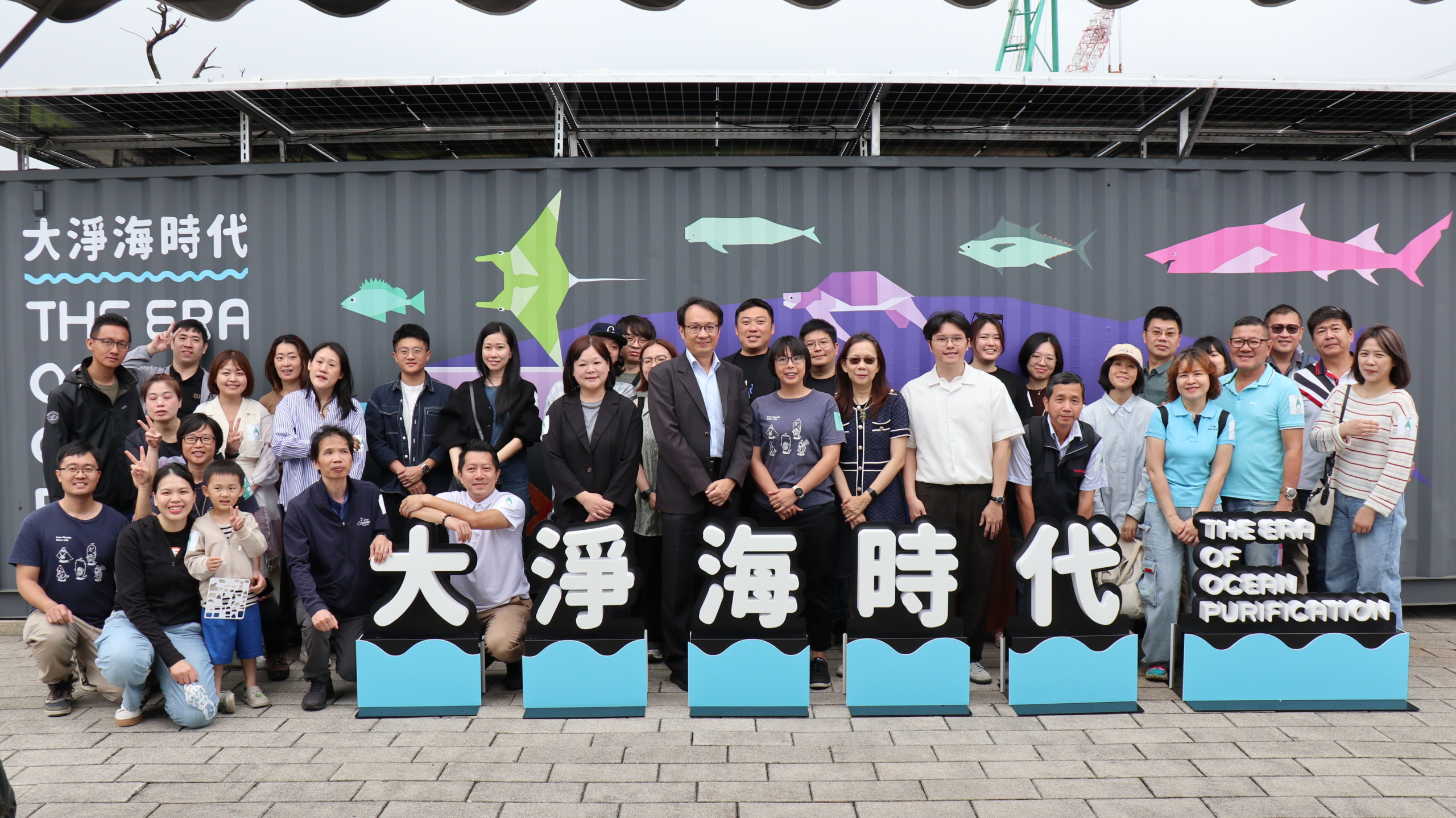
▲ The opening ceremony of “The Era of Ocean Purification” was held at Heping Island Geopark, Keelung, bringing together partners from all sectors to celebrate the launch of Taiwan’s first RE100 renewable-powered container work station.
The Technical Challenge: Air Conditioning for a Coastal Shipping Container
For this project, GreenValue took charge of the entire air conditioning system for the container work station, covering three areas: container insulation, air conditioning installation, and electrical wiring integration.
▍ Container Insulation
Under Taiwan’s summer sun, the interior of a metal shipping container can heat up rapidly, turning it into an oven. GreenValue applied insulated panel materials commonly used in cold chain warehousing to professionally insulate the container’s interior walls, effectively blocking heat conduction through the metal shell. This significantly reduces the load on the air conditioning system, improving energy efficiency and keeping indoor temperatures stable.
▍ Salt-Resistant Air Conditioning Installation
Salt spray in coastal environments is highly corrosive to standard air conditioning equipment, posing an ongoing maintenance challenge for many seaside facilities. GreenValue installed specially treated, salt-resistant air conditioning units, applying anti-corrosion coating to metal components and piping to ensure stable, long-term operation in Heping Island’s sea-breeze environment—substantially extending the equipment’s service life.
▍ Integrated Electrical Wiring
Beyond the equipment itself, GreenValue also handled the complete electrical wiring for the air conditioning system, ensuring seamless, safe, and compliant integration with the container’s solar power and energy storage systems—truly achieving a closed-loop energy cycle where “green power drives the air conditioning.”
Together, these three technical solutions have solved what was once a persistent problem: a container that baked in summer and corroded in winter. Visiting staff, researchers, and members of the public can now learn about ocean conservation in a comfortable environment.
Where Technology and Sustainability Truly Meet
GreenValue’s core expertise—energy-efficient cold chain engineering and electromechanical environmental control systems—has long served high-standard facilities including pharmaceutical logistics, food cold storage, and LEED Gold-certified green buildings. In “The Era of Ocean Purification,” these capabilities found a new stage.
Cold chain technology and ocean conservation may seem worlds apart. But a comfortable, functional workspace is the foundation that allows any sustainability effort to endure. If a container work station is stiflingly hot or its equipment constantly corroding, even the best intentions struggle to take root. This is exactly where GreenValue can contribute.
The project is expected to run for more than two years, with over 200,000 visits to the island annually. In this comfortable space that GreenValue helped build, visitors will engage with ideas about ocean conservation and renewable energy. When a space can be used sustainably over time, ideas have the chance to become lasting action.
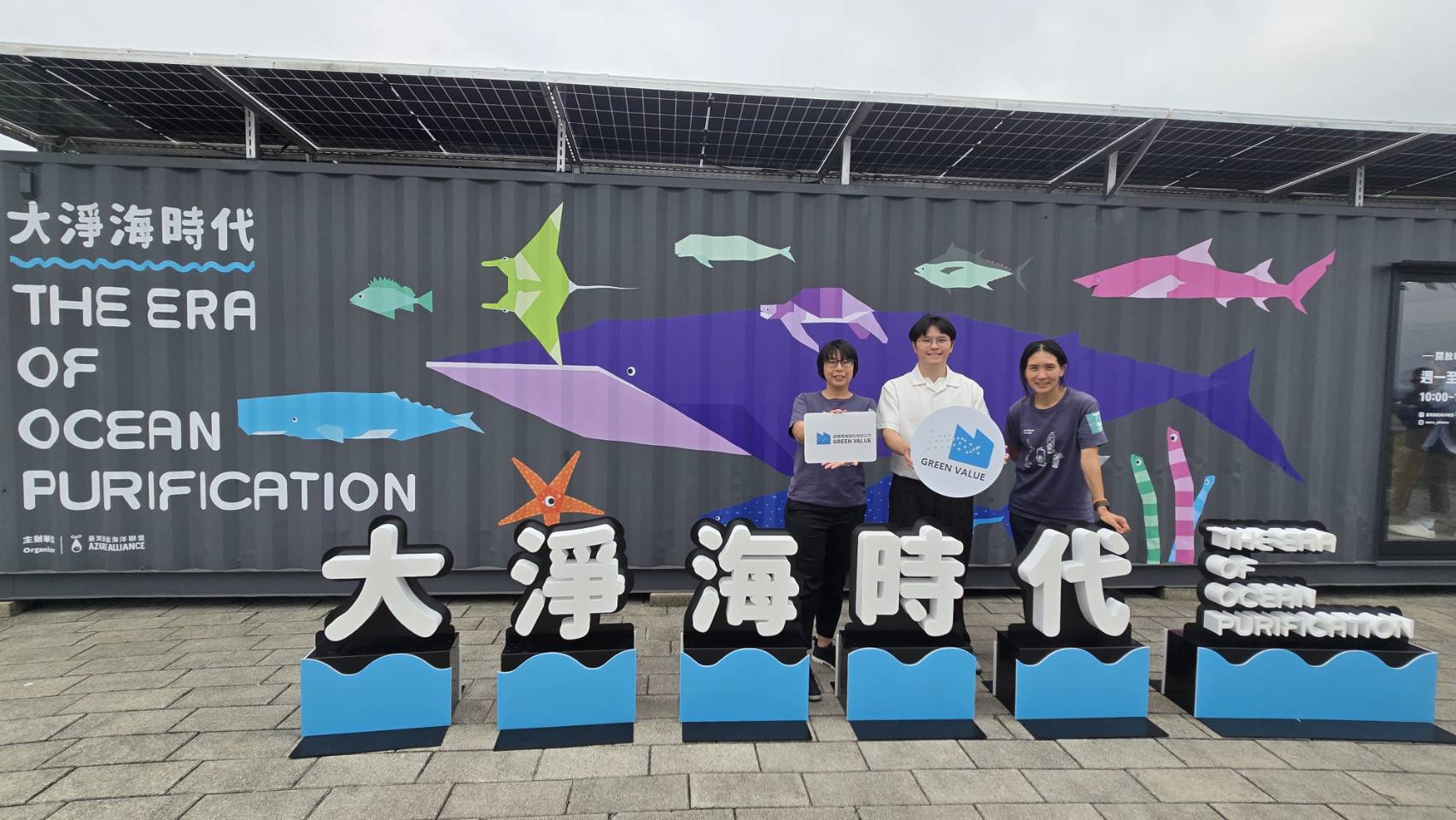
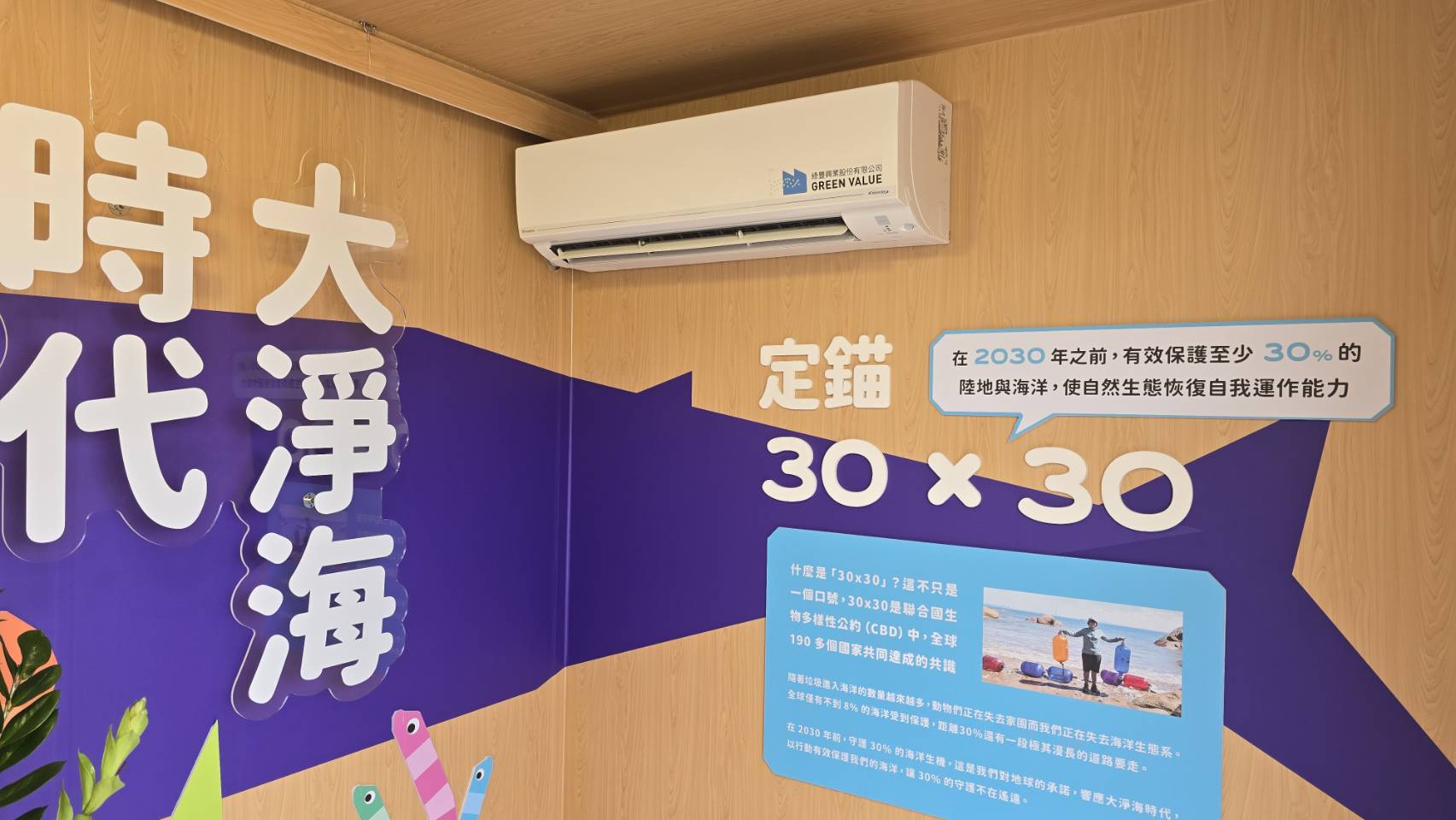
▲ The GreenValue team poses in front of the container work station. The salt-resistant air conditioning units operate quietly alongside the ocean conservation exhibits—where technical expertise meets sustainability.
